
Nov 12, 2026


Jul 9, 2026 · On Air Productions LA
From the processional to the recessional, ceremony music sets the emotional tone of your entire wedding. Here's an LA pro's complete guide to getting it right.
The moment the first note plays and your guests turn toward the aisle, the entire emotional arc of your wedding begins. After 20+ years producing weddings across Los Angeles — from intimate Malibu bluffs to grand Beverly Hills ballrooms — I can tell you that ceremony music is one of the most underestimated elements of the day. Couples spend months on flowers and menus, then leave the soundtrack of their vows to the last two weeks. At On Air Productions LA, we believe the ceremony deserves just as much intention as the reception. This guide walks you through every musical moment, from processional to recessional, with the practical detail we share with our own couples.
Every wedding ceremony has a natural rhythm, and music guides guests through it emotionally. Before you pick a single song, it helps to understand the five key musical moments most ceremonies include:
A skilled wedding DJ Los Angeles couples trust will map each of these to your venue's acoustics and timeline. Outdoor spaces in Malibu or Ojai carry sound very differently than a stone-walled synagogue or a hotel garden, and your music plan should account for that.
The processional and recessional are the two moments your guests will remember most vividly. The processional should build gently — you don't want it too fast, because your bridesmaids and family need time to walk with grace and space between them.

This deserves its own dedicated song — something that signals a change and makes everyone rise. Many LA couples choose a slower, more dramatic version of a meaningful song here. The key is coordination: your DJ or MC needs a clear cue so the swell hits the moment the doors open.
Now the tone shifts to pure celebration. Upbeat, triumphant songs work best — think Israel Kamakawiwo'ole's "Over the Rainbow," Stevie Wonder's "Signed, Sealed, Delivered," or a joyful horn-driven track. For Jewish and Israeli weddings, this is often where the energy of the celebration truly explodes, sometimes flowing straight into a lively klezmer or Israeli number.
Los Angeles is home to one of the most vibrant Jewish and Israeli communities in the world, and Jewish weddings carry beautiful musical traditions that deserve a specialist's touch. Working with an experienced Jewish wedding DJ Los Angeles ensures these moments feel authentic rather than generic.
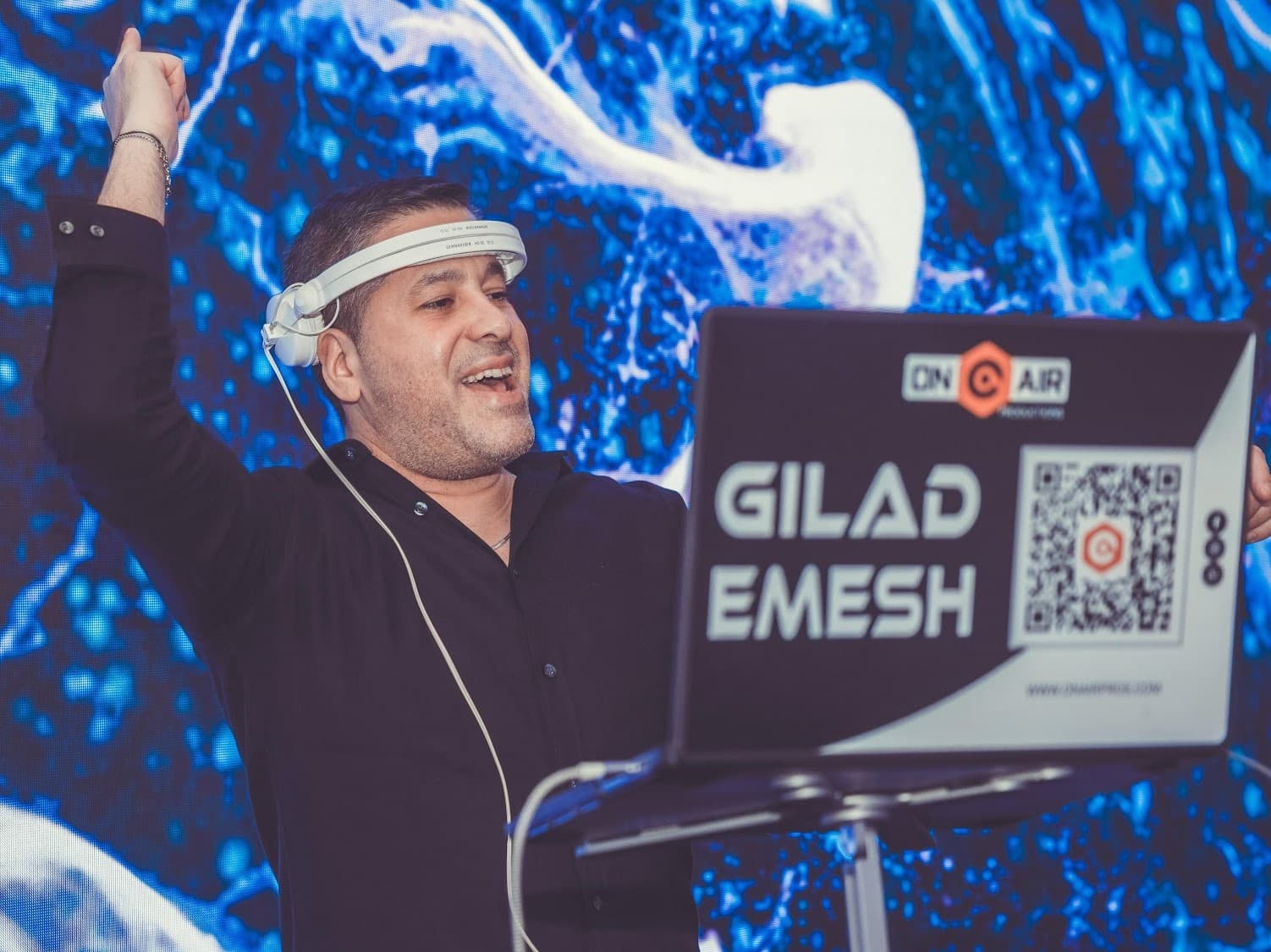
Timing the glass break with the music is a genuine skill. When it lands perfectly, the room erupts. As an Israeli DJ Los Angeles couples return to, DJ Gilad Emesh has learned to read the rabbi and the room so that beat drops the instant the glass shatters. That's the difference between a nice ceremony and an unforgettable one.
One of the most common questions we hear from couples planning luxury wedding entertainment Los Angeles celebrations is whether to use live musicians, a DJ, or both. The honest answer: the best ceremonies often combine them.
A saxophone player Los Angeles couples love, a string trio, or a soloist adds a layer of intimacy no recording can match. For garden estates in the Palisades or vineyard settings in Temecula, live instruments feel especially magical. Many couples also add live drummers for events during the recessional or hora to amplify the celebration, or bring in full live bands for events Los Angeles that flow into the reception.
A wedding DJ and MC Los Angeles professional guarantees precise timing, clean transitions, and flawless amplification of officiant and vows. Reliable AV production Los Angeles matters enormously here — nothing undermines a heartfelt vow like a crackling microphone or a speaker the back row can't hear. This is why partnering with a top rated wedding DJ Los Angeles team who handles sound end-to-end is so valuable.
Here's the exact checklist we walk through with our couples to make sure nothing is left to chance:
Whether your celebration is a wedding DJ Beverly Hills ballroom affair, a wedding DJ Malibu oceanfront ceremony, or a wedding DJ Orange County estate event, this checklist keeps every musical moment intentional.
Most ceremonies use a different song for each group walking down the aisle, so every entrance feels like its own moment. Here are walking down the aisle songs by role, every one checked for the right title and artist; nearly all of them exist in instrumental versions for piano, violin, guitar or string quartet.
The flower girl and ring bearer usually walk to the end of the wedding party's song or to a short song of their own. The music then changes for the bride, which is the cue for guests to stand.
A recessional song should be joyful from the very first bar, because it starts the moment you are pronounced married and the celebration begins. Upbeat, modern, traditional or played on strings, these work well:
At Jewish weddings the recessional begins the instant the glass breaks; see our guide to Jewish wedding ceremony songs for that moment.
Each person or pair takes only about half a minute to walk a typical aisle, so a full song is rarely needed; your DJ or musicians fade each song at the right moment. A typical ceremony uses a prelude of eight to twelve songs, one to three processional songs, a dedicated song for the bride or the couple, an optional song for a signing or unity moment, and one recessional.
Yes, almost every ceremony needs microphones: a wireless lavalier for the officiant so the vows reach the back row, a handheld for readers, and speakers placed for the guests rather than pointed at the couple. Outdoors, wind and open air swallow voices quickly, so plan sound for the ceremony even if it is small. Learn more about sound systems for events and whether you need a sound engineer for your wedding.
Do you need a DJ for the ceremony itself? Not strictly, but someone has to run the music cues and the microphones. A DJ who is already running your reception can handle both from the same system, and live musicians can still play the processional. For songs for every other moment of the day, see our wedding songs guide.
Most ceremonies use four to six featured songs — plus a prelude playlist of 8 to 12 tracks for seating. Your DJ will fade songs naturally, so exact lengths don't need to match your walk perfectly.
Absolutely. Lyrical songs are increasingly popular. If a song feels too upbeat with vocals, we often use an instrumental or acoustic version for the walk, then bring the full version to the reception.
Your entertainment team should. As a wedding DJ team in Los Angeles, we provide and manage all ceremony microphones and speakers, so vows are crystal clear even outdoors in coastal wind.
Yes — and we recommend it. One team handling ceremony, cocktail hour, and reception ensures seamless transitions. Some couples add extras like a premium photo booth Los Angeles or LED screens and video walls for the reception too.
Your ceremony music is the emotional heartbeat of your wedding day — the soundtrack to the exact moment two lives become one. With thoughtful planning, the right blend of live and recorded music, and a team that understands both timing and tradition, every note can land perfectly. If you're planning your celebration anywhere across Los Angeles or Southern California, DJ Gilad Emesh and the On Air Productions LA team would love to help you build a ceremony that feels unmistakably yours. Reach out for a free consultation and let's start with your very first song.
Most processionals use two or three songs: one for the parents and wedding party, sometimes one for the flower girl and ring bearer, and a separate song for the bride or the couple. The change of music for the bride is what tells guests to stand.
Usually not. The flower girl and ring bearer walk to the end of the wedding party's song or to a short song of their own, and the music changes for the bride so her entrance stands apart.
Yes, a microphone is needed for almost every ceremony, even a small one. A wireless lavalier on the officiant and a handheld for readers make sure guests in the back row hear the vows, especially outdoors.
The recessional song is the music that plays as the newly married couple walks back up the aisle at the end of the ceremony, followed by the wedding party. It is usually upbeat and joyful, the first celebration song of the day.
Grooms often walk in to something confident or fun, such as Feeling Good by Michael Bublé or a string quartet version of Viva la Vida by Coldplay. Some grooms simply walk in with the officiant or with their parents to the processional music.
You need someone to run the music cues and microphones, and a DJ who already runs your reception can handle the ceremony from the same system. Live musicians can still play the processional while the DJ manages the sound.
Get more of On Air on Google
Enjoying our event tips? Make On Air Productions LA a preferred source on Google — one tap, and our articles, videos and updates show up more in your Search results and AI answers.
Planning an event in Los Angeles? Explore what On Air Productions LA can do for you:
On Air Productions LA brings DJs, MCs, live music and full production to weddings, Bar Mitzvahs, corporate events, and private celebrations across Los Angeles.
Get a Free QuoteDiscover More
 Tips
Jul 9, 2026
 Jewish Events
May 31, 2026
 Weddings
Jun 6, 2026
 Corporate
Oct 21, 2026